



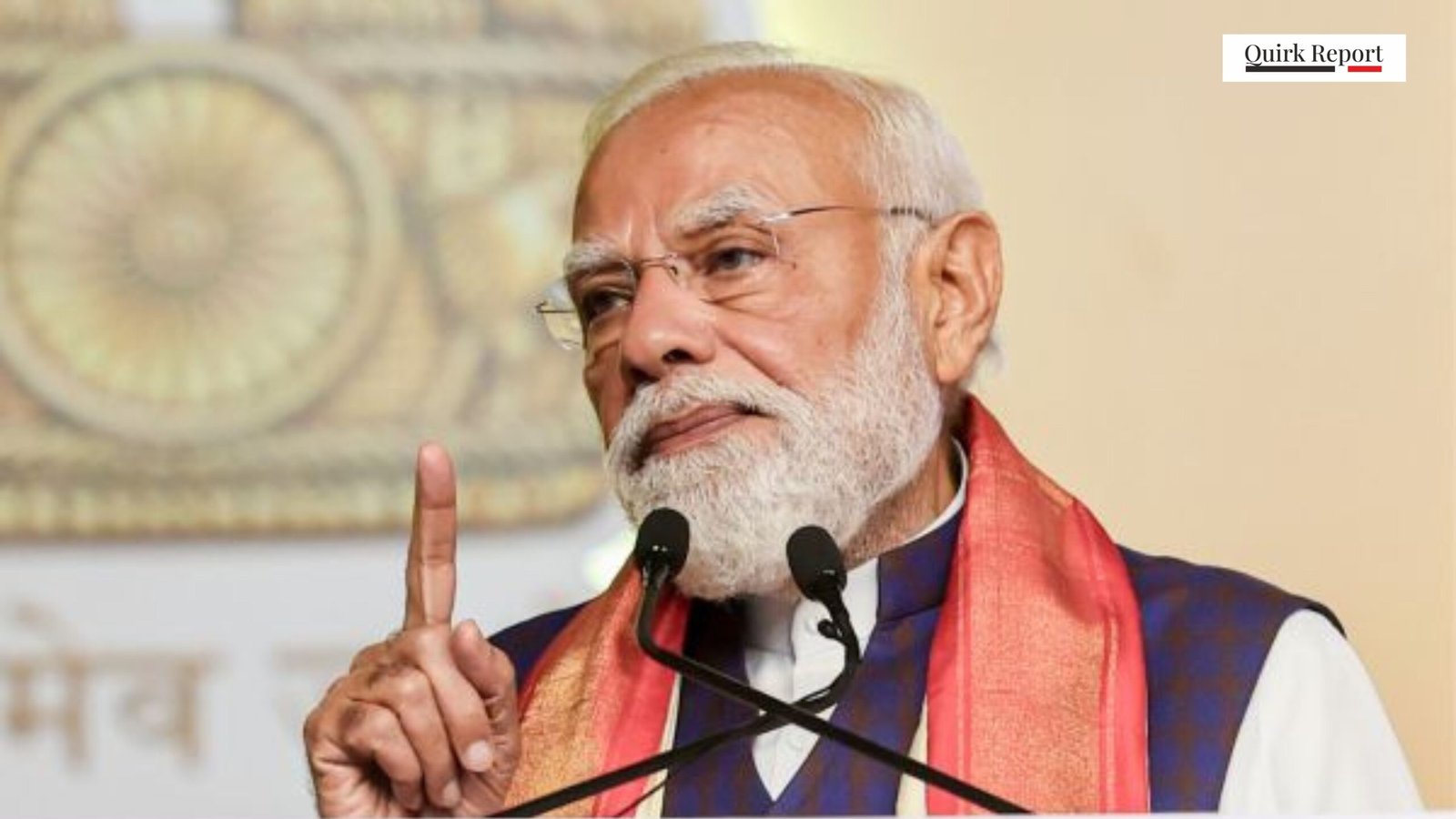
Prime Minister Narendra Modi has delivered a strong economic message to the nation, urging citizens to adopt a more cautious lifestyle as global financial pressures continue to rise. From reducing fuel consumption to limiting gold purchases and encouraging work-from-home culture, the Prime Minister’s remarks have sparked widespread discussion across India. The statement, now widely referred to as “PM Modi’s Austerity Call,” comes at a time when international oil prices, inflation concerns, and geopolitical tensions are affecting economies worldwide.
The appeal is being seen as an effort to prepare the country for uncertain global conditions while encouraging citizens to contribute toward economic stability through small but impactful lifestyle changes.
PM Modi’s Message Draws Nationwide Attention
The Prime Minister’s remarks immediately became a major topic in political and economic discussions. Government officials and market experts believe the warning is linked to growing concerns over rising import bills and global instability. India imports a large share of its crude oil and gold, making the economy vulnerable when international prices rise sharply.
In recent months, global energy markets have remained unstable due to conflicts in several regions and disruptions in supply chains. Rising crude oil prices directly affect transportation costs, food prices, and household expenses in India. At the same time, large-scale gold imports increase pressure on foreign exchange reserves and widen the trade deficit.
This is where PM Modi’s Austerity Call gains importance. Analysts believe the government wants citizens to support the economy by reducing unnecessary spending and conserving resources wherever possible.
Fuel Saving Becomes a National Priority
One of the biggest highlights of the Prime Minister’s message was the appeal to save fuel. India depends heavily on imported crude oil, and any sudden rise in global prices impacts the country’s economy almost immediately.
Experts say even small lifestyle changes by citizens can collectively make a huge difference. Using public transport, carpooling, avoiding unnecessary travel, and choosing remote work options can help reduce fuel demand significantly.
Several economists noted that lower fuel consumption could help the government reduce import expenses and ease pressure on the rupee. Transport costs influence nearly every sector, from groceries to manufacturing, which is why controlling fuel usage has become a key concern.
Citizens in metro cities are already discussing practical ways to cut fuel expenses. Many offices are also reconsidering hybrid work models to reduce employee commuting.
Why Gold Buying Was Mentioned
The Prime Minister’s advice to avoid excessive gold purchases surprised many people because gold has always been deeply connected with Indian culture, weddings, and investments. However, economists say the concern is largely related to imports.
India is among the world’s largest gold importers. When people buy more gold, the country spends more foreign currency on imports. During periods of global economic uncertainty, such spending can create pressure on the trade balance.
Financial experts believe PM Modi’s Austerity Call is encouraging people to think carefully before making large luxury purchases. Some advisors are now suggesting that middle-class families focus more on financial planning, savings, and diversified investments rather than putting most of their money into gold.
Jewelry traders, however, fear the message could affect market demand ahead of the festive and wedding season. Despite this, analysts say the appeal is more about temporary economic caution rather than discouraging cultural traditions permanently.
Work From Home Returns to the Discussion
Another major part of the Prime Minister’s statement was the emphasis on work-from-home practices. During the pandemic, remote work became common across India’s corporate sector, especially in IT and digital industries.
Now, with fuel conservation becoming a priority again, work-from-home is being viewed as an economic strategy as well. Employees working remotely reduce daily travel, save fuel, and lower traffic congestion in major cities.
Experts say hybrid working models can also reduce operational costs for companies while improving employee flexibility. Environmentalists have welcomed the idea too, saying reduced traffic can help improve air quality in urban areas.
However, not everyone fully agrees with the return of the remote work culture. Some businesses argue that office attendance improves collaboration, communication, and productivity. Retail shops and small vendors near office areas also depend heavily on regular workplace traffic for income.
Even so, the renewed focus on remote work shows how serious the government is about reducing unnecessary fuel consumption during uncertain economic times.
Political Reactions Intensify
Opposition parties quickly reacted to PM Modi’s Austerity Call, with some leaders questioning whether the government expects a major economic slowdown ahead. Critics argued that ordinary citizens are already struggling with high inflation, rising fuel prices, and increased living expenses.
Government supporters defended the Prime Minister’s statement, saying responsible spending and resource conservation are necessary during periods of global uncertainty. Several economists also described the message as a preventive step rather than a sign of immediate crisis.
On social media, debates intensified as people shared mixed reactions. Some users supported the idea of reducing wasteful spending, while others questioned why citizens are being asked to sacrifice when prices continue rising.
Experts Say the Warning Is Strategic
Economic analysts believe the Prime Minister’s remarks reflect long-term planning rather than panic. Global financial uncertainty, ongoing geopolitical conflicts, and unstable energy markets are forcing many countries to prepare for possible economic disruptions.
By asking citizens to reduce fuel use and unnecessary imports, the government may be trying to strengthen economic resilience before global conditions worsen further.
Experts also point out that India’s growing digital infrastructure gives the country an advantage in promoting remote work and energy-saving strategies. If adopted widely, even minor reductions in fuel usage and import demand could create a meaningful economic impact.
For now, PM Modi’s Austerity Call has become one of the most talked-about national issues, with debates continuing across political circles, business communities, and ordinary households. Whether these suggestions become a long-term public movement or remain a temporary advisory will become clearer in the coming months.
Catch more trending news on Quirkreport.