




Trending Highlight:
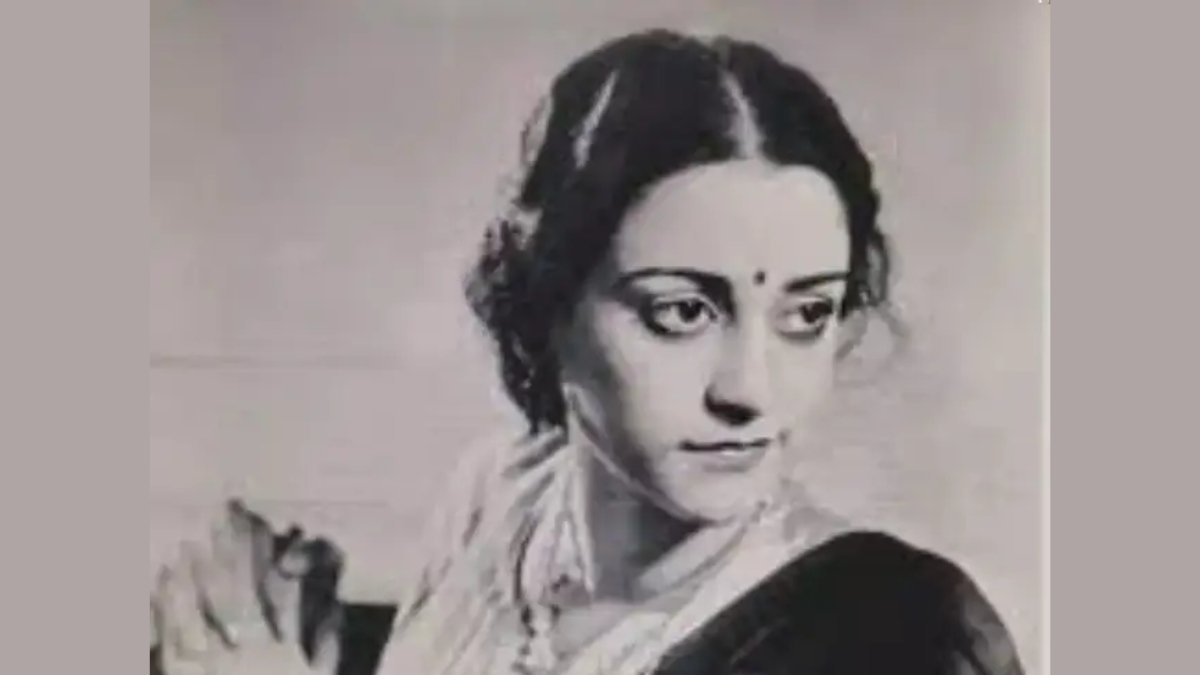
Naseem Banu, remembered as one of the most graceful faces of Indian cinema, once went on a hunger strike to act in films. Her courage and talent not only shaped her own destiny but also left a lasting mark on the film industry.
Early Life of Naseem Banu
Naseem Banu, born Roshan Ara Begum in Delhi, belonged to a family that appreciated music and art but did not want her to become an actress. Her mother, Shamshad Begum, was a well known singer and performer. She hoped her daughter would become a doctor. But Naseem had other dreams. She loved cinema and wanted to be part of the growing film world of the 1930s.
When her family refused to allow her to act, Naseem reportedly went on a hunger strike. It was a bold decision at a time when most women were not allowed to step into films. Her strong will and determination finally changed her mother’s mind, and she got permission to pursue acting.
Naseem Banu’s story reflects the struggle faced by many women who wanted to work in films during that era. Her decision to follow her passion made her a pioneer in Indian cinema.
Rise to Stardom in Indian Cinema
Naseem began her film journey with Khoon Ka Khoon in 1935. It was directed by Sohrab Modi, and she played the role of Ophelia in this adaptation of Shakespeare’s Hamlet. Her natural grace, expressive eyes, and calm voice quickly caught the attention of the audience.
Her major success came with Pukar in 1939, where she played Empress Nur Jahan. The film was a historical drama that made her a household name. After Pukar, she was called “Pari Chehra,” meaning fairy face. Her beauty and poise made her one of the most loved actresses of that time.
The film industry was still new then, but Naseem helped shape how female actors were seen. She brought elegance and strength to her roles. Critics called her one of the first female superstars of Indian cinema.
Many reports mention that Amitabh Bachchan once described Naseem Banu as the most beautiful woman he had ever seen. While the exact moment or source of this statement is unclear, it shows how deeply her image stayed in the minds of later generations.
From Actress to Mentor and Designer
After marriage, Naseem co founded a production company called Taj Mahal Pictures along with her husband, producer Ehsan ul Haq. Together, they made films that tried to combine good storytelling with fine visuals. But as newer faces entered the industry, she slowly stepped away from acting and turned her attention to another art form costume design.
Her creativity continued through her daughter, Saira Banu, who became one of the most admired actresses of the 1960s and 70s. Naseem designed costumes for Saira’s films and helped her maintain a graceful screen presence. The mother daughter duo became a symbol of beauty and talent in Indian cinema.
Even when she was behind the camera, Naseem continued to influence the film industry. Her sense of style shaped how actresses dressed in Hindi films during that period.
Legacy That Lives On
Naseem Banu’s life is more than a story of fame. It is about a woman who believed in her dream and made it real when the world said no. She showed that passion and courage can change not just one life but an entire industry.
Her work inspired many actresses who came after her, including her daughter Saira Banu, who later married actor Dilip Kumar. Together, they carried forward the legacy of dignity, talent, and grace that Naseem represented.
Even decades after her films were released, her name still appears in conversations about the golden age of Indian cinema. Many film historians call her the bridge between the silent film era and the modern film world.
She remains a reminder of how determination and belief can create history. Naseem Banu’s story continues to inspire not just fans of old cinema but anyone who dares to dream.
Catch big news and top news headlines with the latest news updates. Quirk Report delivers trusted stories from India and around the world.
Follow Quirk Report on Instagram, Twitter(X) and Facebook.