




Trending Highlight:
Every year on October 31, people across the world dress up as ghosts, light pumpkins, and celebrate Halloween. But many still wonder what is Halloween and why it is celebrated in so many countries today.
What is Halloween?
The Story Behind Halloween
Halloween is a festival that began more than 2,000 years ago in ancient Europe. It started with the Celtic festival called Samhain, celebrated in regions that are now Ireland, Scotland, and parts of France. Samhain marked the end of summer and the start of winter — a time people believed the boundary between the living and the dead became thin. They lit large bonfires, wore costumes made of animal skins, and offered food to keep spirits away.
Centuries later, when Christianity spread across Europe, the Church introduced All Saints’ Day, also known as All Hallows’ Day, on November 1. The night before was called All Hallows’ Eve, which slowly shortened to Halloween. That is how the Halloween festival got its name and new meaning — a mix of old Celtic beliefs and Christian customs.
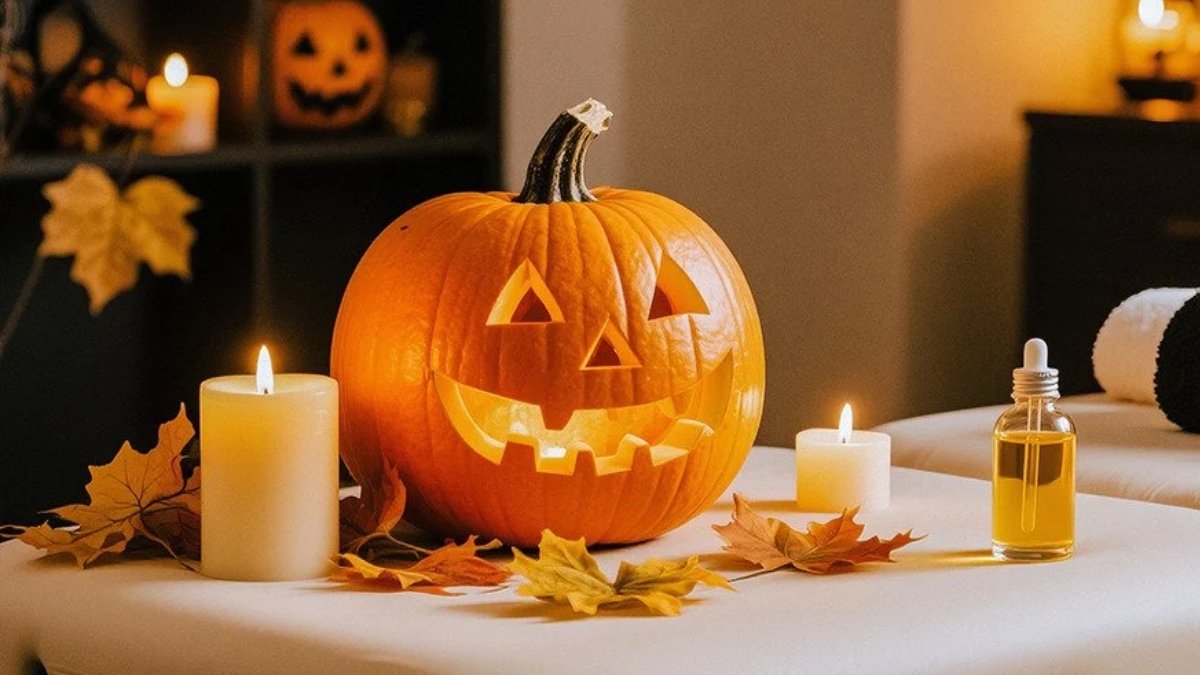
Over time, Halloween meaning changed again. When Irish and Scottish immigrants moved to America, they brought their traditions with them. In the United States, the holiday became more about fun and togetherness than fear of spirits. People started carving pumpkins into lanterns, wearing creative costumes, and going door-to-door saying “trick or treat” to collect candies.
Today, Halloween is one of the most popular festivals in the Western world. In the U.S. alone, people spend billions each year on decorations, candy, and costumes. It’s a mix of culture, creativity, and history — a night when the world plays with fear in a joyful way.
So, when we ask why Halloween is celebrated, the simple answer is this: it began as a way to honour the spirits and welcome winter, but it evolved into a day for fun, imagination, and community.

Halloween in India
While Halloween’s roots are in Europe and America, the festival has slowly found its place in India too. Cities like Mumbai, Delhi, Bengaluru, and Pune now host Halloween-themed events in clubs, restaurants, schools, and housing societies. Shopping malls decorate with fake cobwebs, pumpkins, and spooky lights. Influencers post costume videos on Instagram, and children in some gated communities even go door-to-door for “trick or treat.”
The idea of celebrating something spooky is still new to many Indians, but urban youth see it as a fun way to be creative and social. It’s not a traditional Indian festival, yet it connects with the global culture that younger generations follow. For many, it’s not about ghosts or religion — it’s about dressing up, taking photos, and enjoying a theme night with friends.
Interestingly, India already has its own cultural days linked with spirits and ancestors. Festivals like Pitru Paksha and Bhoot Chaturdashi (celebrated in parts of Bengal and Maharashtra) share a similar idea — respecting or remembering souls of the departed. This shows that while Halloween may look foreign, its emotional base is not entirely different from what India has known for centuries.
As the world gets more connected, global festivals like Halloween find local colour. In India, Halloween parties now include desi food, Bollywood music, and fusion costumes — from witches wearing sarees to ghosts in kurta-pyjamas. Brands also join the trend, offering Halloween sales, themed packaging, and social media challenges.

What Halloween Means Today
The Halloween festival today is more than just a night of fright. It reflects how cultures evolve and mix over time. What began as a sacred ritual for farmers has turned into one of the biggest global celebrations of creativity. From haunted houses to virtual costume contests, it has adapted to every generation.
At its heart, what is Halloween really about? It’s about the connection between fear and fun — the joy of facing something scary in a safe, shared way. It allows people to laugh at what once frightened them. That’s why Halloween continues to grow, even in countries where it wasn’t born.
In India, it represents curiosity, openness, and a modern form of cultural exchange. As more Indians travel, study, and work globally, they bring back these traditions and make them their own. Whether you carve a pumpkin or simply post a spooky selfie, you’re taking part in a story that began thousands of years ago — when humans first looked into the dark night and tried to understand it.
Halloween began as the Celtic festival of Samhain, transformed through Christian traditions into All Hallows’ Eve, and became a modern celebration of imagination and community. The meaning of Halloween has shifted from fear to fun — from fires that protected people from spirits to lights that decorate their homes.
And while Halloween in India is still growing, it shows how traditions can travel across continents and become something new without losing their roots. The next time someone asks what is Halloween, you can say it’s a festival that celebrates life, creativity, and our age-old curiosity about the unknown.
Catch big news and top news headlines with the latest news updates. Quirk Report delivers trusted stories from India and around the world.
Follow Quirk Report on Instagram, Twitter(X) and Facebook.