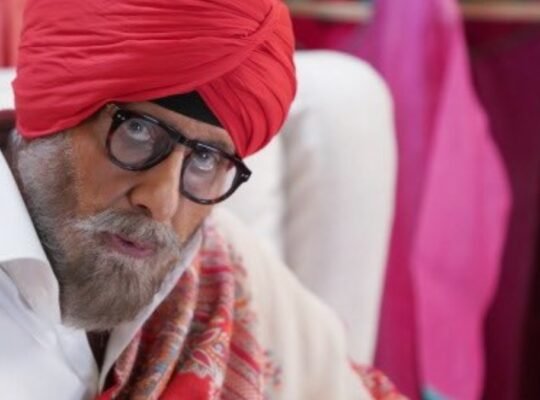




Trending Highlight – A new Instagram viral meme, ‘Waah Shampy Waah,’ has caught the attention of netizens across India. The viral video is dividing opinions online, with users sharing mixed reactions over its moral and humorous content.
The latest internet sensation, the ‘Waah Shampy Waah’ meme, is currently trending across social media platforms. This Instagram viral meme has rapidly gained attention, with millions of views and shares in just a few days. Users are actively discussing the content, while others have joined in to create their own versions.
The meme features a short video clip that combines humor with an unusual twist, leading to its widespread circulation. While some users find it funny and relatable, others question the meme’s message, sparking debates over social media ethics. The conflicting opinions have made this meme a hot topic in viral news circles.
Instagram, Twitter, and WhatsApp are the primary platforms where ‘Waah Shampy Waah’ is being shared. Netizens are creating threads and comment chains to discuss the meaning and relevance of the meme. As a result, the meme has become a common topic of conversation, even among groups that do not typically follow viral trends.
“Life is too short to argue, just say ‘Waah Shampy Waah’ instead– and move on!”
Why the Meme is Trending
The meme’s humor lies in its unexpected punchline, which combines everyday situations with exaggerated reactions. Many social media users have expressed that this relatable content is one of the main reasons for its popularity. The short duration of the video also contributes to its shareability, making it easy for viewers to watch and repost repeatedly.
Experts in digital content have observed that memes like ‘Waah Shampy Waah’ become viral not only because of humor but also because they spark discussions. Social media trends often thrive on engagement, and the debate around the meme’s moral angle has increased interactions across various platforms. The hashtag #WaahShampyWaah has been used extensively, helping the meme reach new audiences beyond its initial viewers.
The moral debate surrounding the meme comes from contrasting perspectives. While some users see it as light-hearted entertainment, others believe that it may send the wrong message to younger audiences. This discussion has further fueled the meme’s visibility in viral news feeds. Netizens have shared their thoughts in a mix of serious and humorous tones, making the meme a topic of interest for both casual viewers and online critics.
Content creators have also jumped on the trend, remixing and adding their own twists to the original meme. These variations have allowed the meme to evolve rapidly, keeping it relevant and widely circulated. The creativity behind these adaptations demonstrates how viral videos can inspire larger online communities to participate and contribute.
The meme’s simple yet impactful presentation makes it easy to understand and relate to. Social media users appreciate content that can be consumed quickly and shared instantly. This combination of brevity, humor, and relatability is what makes ‘Waah Shampy Waah’ a perfect example of viral video success in India.
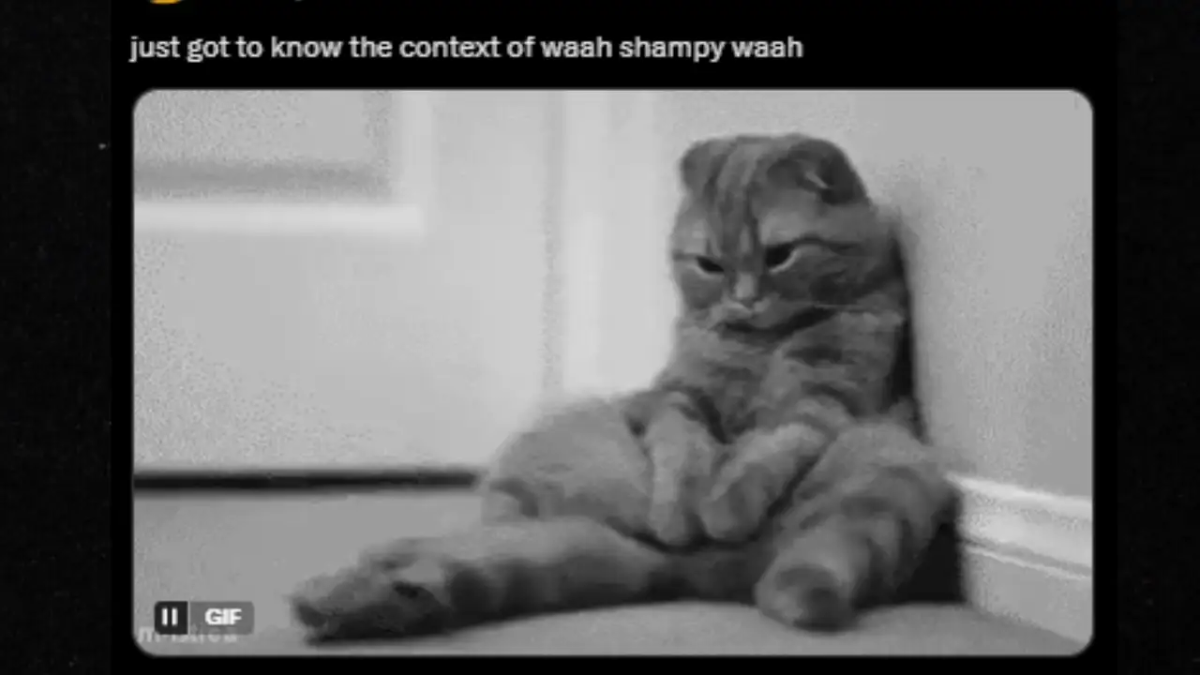
Waah Shampy waah! pic.twitter.com/t5zneM9EWH
— $IL@$ (@Beast_OO7) October 13, 2025
Trending Meme Culture in India
India has seen a surge in viral memes and videos in recent years, with Instagram and WhatsApp being major platforms for this trend. Memes often capture everyday scenarios in humorous ways, making them widely relatable to diverse audiences. The rapid spread of these memes demonstrates the influence of social media on daily life and online culture.
The success of ‘Waah Shampy Waah’ also highlights the evolving nature of viral content in India. Unlike traditional media, viral memes rely on user engagement and sharing patterns to gain traction. The more people interact with a meme, the faster it spreads, creating a cycle that often leads to trending status within hours or days.
Social media experts suggest that memes like this are more than just entertainment. They can become cultural touchpoints that reflect societal attitudes and popular opinions. In the case of ‘Waah Shampy Waah,’ the debate over its content shows how online communities interpret humor and morality differently. This phenomenon is becoming a defining feature of digital journalism and viral news coverage in India.
The Instagram viral meme has also caught the attention of mainstream media outlets, with reports covering the public’s reaction and the ongoing discussion. The coverage extends beyond social media platforms, bringing wider recognition and solidifying its trending status.
In addition, memes like ‘Waah Shampy Waah’ often influence other creative content, such as short videos, digital sketches, and commentary shows. This multiplier effect helps the original meme maintain its popularity longer than typical viral videos. The participatory nature of meme culture ensures that content continues to evolve, keeping audiences engaged and contributing to the larger digital ecosystem.
While some critics argue that viral memes can sometimes promote questionable content, the overall response to ‘Waah Shampy Waah’ has been largely positive. Users continue to share and discuss it, highlighting the meme’s ability to entertain while also provoking thought.
In conclusion, the ‘Waah Shampy Waah’ meme has become one of India’s most talked-about Instagram viral memes. By blending humor with social commentary, it has captured the attention of millions and sparked debates that continue to trend online. Whether viewed as simple entertainment or a conversation starter, this viral video exemplifies the power of memes in shaping online culture and digital news trends today.
Catch big news and top news headlines with the latest news updates. Quirk Report delivers trusted stories from India and around the world.
Follow Quirk Report on Instagram, Twitter(X) and Facebook.