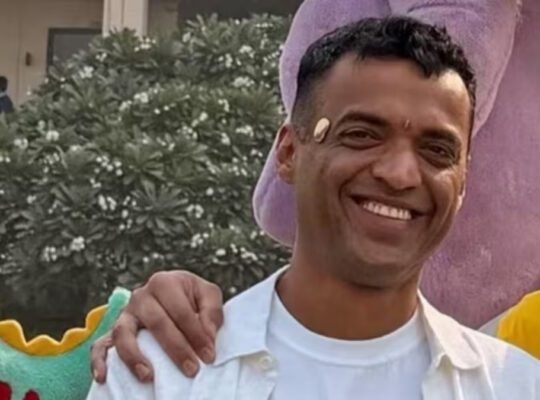




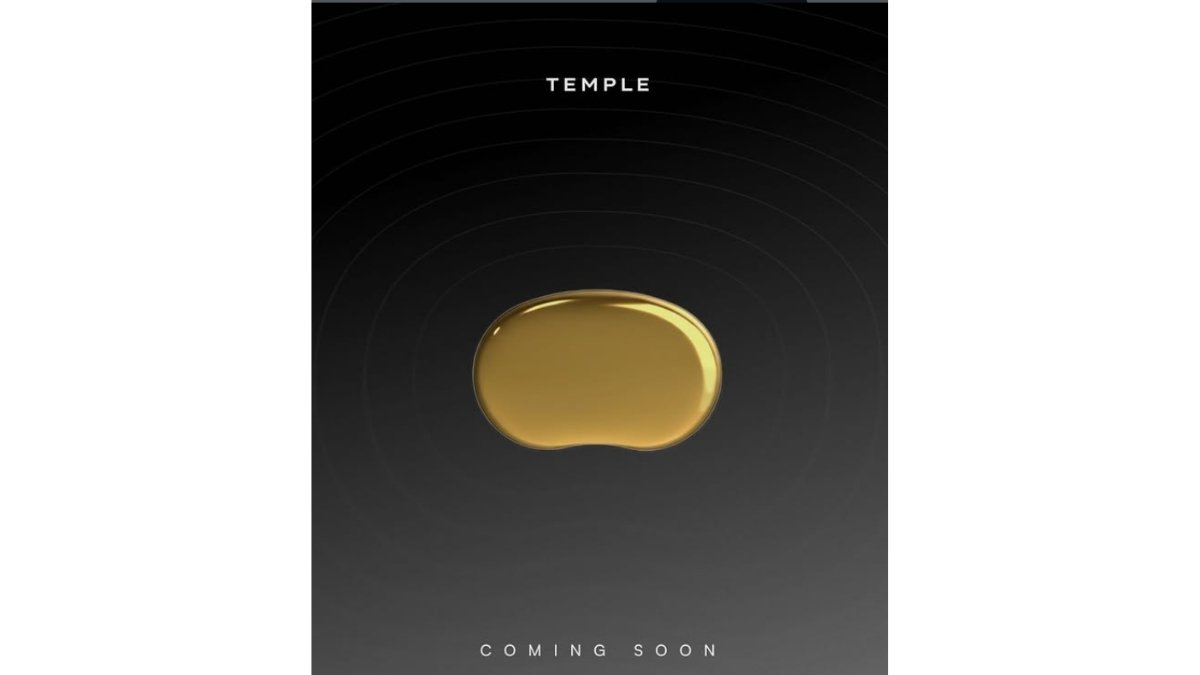
The Temple Device has become one of the most talked-about tech experiments after Deepinder Goyal, the CEO of Zomato and founder of Eternal, teased the wearable in a social media post earlier this season. While many online initially mistook the gadget for a mic or fashion accessory, the real story is about a brain-monitor wearable that aims to track cerebral health in real time — and it is far from a typical consumer gadget.
Viral moment on Instagram
In early December, Goyal shared a photograph of the compact device on Instagram with the words “Temple Coming Soon” and the caption “Getting there,” sparking fresh discussion across platforms. The image reignited curiosity about what the Temple Device really is and whether it will ever be available for public use.
What the Temple Device actually does
The Temple Device is described by Goyal as an experimental tech tool designed to measure brain blood flow continuously and in real time. This wearable health‑tech gadget sits near the temple region of the head, using advanced sensors to gather data on cerebral circulation patterns. Unlike most existing fitness wearables that focus on heart rate or steps, the Temple Device targets neurological metrics that are still largely explored in research settings.
According to the Zomato CEO, tracking cerebral blood flow could offer insights into ageing, cognitive function, stress responses, and overall brain health. The premise is tied to an unconventional theory — known as the Gravity Ageing Hypothesis — which proposes that gravity may have long-term effects on how blood circulates to the brain as humans age. Goyal has publicly linked the device’s development to this idea.
Development and testing phase
It’s important to stress that the Temple Device is not a commercial product yet. The gadget remains in the experimental and testing stage, with Goyal having reportedly used it himself over a long internal trial period. This context sets it apart from typical consumer-ready tech wearables like fitness bands or smartwatches.
Goyal has emphasised that the development is a research initiative, not a marketing project. He clarified that the Gravity Ageing theory was not created to boost sales of the Temple Device, but rather stems from his scientific curiosity and personal investment in the wearable’s capabilities.
Who can use the Temple Device?
As of now, the Temple Device is limited to research purposes only. The wearable has not been released commercially, meaning it’s not available for general consumers or healthcare professionals to purchase or use in everyday settings. The people currently able to access and test it include:
-
The core research team working under Goyal’s initiative to develop the wearable.
-
Deepinder Goyal himself, who has worn the device in long-term internal experiments.
-
Select scientific collaborators invited to participate in ongoing studies.
There’s no indication yet that the Temple Device has been approved by medical regulators or cleared for clinical diagnostics or public health monitoring. Its use today is confined to controlled testing, not general wellness or medical application.
Industry and expert reactions
The Temple Device’s emergence has stirred mixed opinions. While some see it as a bold experiment in brain-focused tech, others remain sceptical about both the scientific foundation behind the Gravity Ageing Hypothesis and the device’s practical value. Some experts have even dismissed it as an intriguing but unproven tool without immediate clinical utility.
For example, certain medical professionals have labelled the wearable a “fancy toy for billionaires,” highlighting that it currently lacks scientific validation and standard clinical evidence that would justify its use outside experimental settings.
View this post on Instagram
Technological implications
The conversation around the Temple Device fits into a broader world trend where tech entrepreneurs and innovators are increasingly investing in deep-tech solutions related to longevity, human performance, and neurological wellness. Real-time monitoring of cerebral blood flow remains an active area of research across universities, medical labs, and private institutions, with the potential to influence future approaches to neurodegenerative conditions, brain ageing, and preventive health.
However, such technologies are generally confined to specialised labs and clinical trials. Devices capable of measuring brain health metrics in everyday use remain rare and mostly experimental. That places the Temple Device in a category more akin to cutting-edge research prototypes than everyday consumer tech.
What’s next for the Temple Device
Goyal and his team have teased that the wearable is “coming soon,” suggesting ongoing development and potential future platforms or versions. Whether it will ever become a commercial product for broader usage depends on continued research outcomes, regulatory clearance, and validated scientific results supporting its utility.
If the device evolves into something market-ready, it could represent a new frontier in how individuals track and interpret neurological data — much like how modern fitness trackers transformed heart rate and sleep monitoring. But as of now, the Temple Device remains a research tool first and foremost, with public availability still uncertain.
Also Read | Zomato founder Deepinder Goyal spotted with device on head: What was it?
Catch more trending news on Quirkreport.