



Recent health news reports highlight how some common foods we eat daily may increase the risk of diabetes. Experts explain which items to limit and how simple dietary swaps can support a healthy lifestyle.
Our daily food choices shape our long-term health. According to recent health news, certain popular foods—often seen as harmless—can increase the risk of developing diabetes if consumed regularly.
Nutritionists say that understanding these triggers and following a balanced diabetic diet plan can prevent early insulin resistance and long-term complications.
With India witnessing a steady rise in lifestyle-related diseases, experts urge the public to pay closer attention to diet patterns. Here are six everyday foods that could quietly raise blood sugar levels and why moderation matters.
Sugary Beverages

Soft drinks, packaged fruit juices, and energy beverages contain high amounts of added sugar. These drinks cause an instant spike in blood glucose, forcing the pancreas to release extra insulin. Over time, this repeated stress can lead to insulin resistance — a key factor in diabetes.
Nutritionists recommend replacing sugary drinks with water, herbal teas, or coconut water. Such swaps help stabilize glucose levels and align with a healthy lifestyle.
Refined Carbohydrates

White bread, noodles, and pasta made from refined flour are digested quickly, causing sharp blood sugar fluctuations. They also lack the fiber needed to slow down sugar absorption.
Experts suggest switching to whole grains such as oats, brown rice, or millets. Including fiber-rich foods keeps energy levels steady and supports long-term blood sugar control — an essential goal in a diabetic diet plan.
Deep-Fried Snacks

Popular snacks like samosas, pakoras, and chips are high in trans fats and refined carbs. Regular intake can lead to weight gain and increased cholesterol, both linked to diabetes risk.
Choosing air-fried or baked alternatives can make a big difference. Using healthier oils like mustard or olive oil also helps in maintaining heart and metabolic health.
Processed and Red Meat

Frequent consumption of processed meats such as sausages, bacon, or cold cuts can raise inflammation in the body. These foods contain preservatives and high sodium levels that affect insulin sensitivity.
Dieticians advise replacing red meat with lean proteins like fish, tofu, or lentils. Plant-based diets have been proven to lower blood sugar and improve insulin function over time.
Sugary Breakfast Cereals
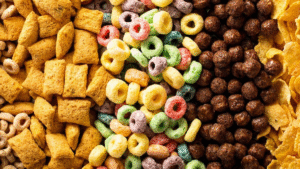
Many packaged cereals labeled as “healthy” actually contain hidden sugars. Eating them daily can increase calorie intake and cause sugar surges early in the day.
A better choice is unsweetened oats or homemade granola with nuts and seeds. Pairing cereals with fresh fruit or yogurt ensures balanced nutrition while reducing sugar content.
White Rice and Starchy Foods

White rice remains a staple in many households, but eating it frequently in large portions can increase diabetes risk. Its high glycemic index means it raises blood sugar quickly after meals.
Experts recommend replacing part of the rice with lentils, vegetables, or quinoa. Mixing grains with fiber and protein sources can slow sugar absorption and keep you fuller for longer.
What Doctors Advise
Health professionals say moderation is the key to prevention. Total elimination of foods is unnecessary — but portion control, physical activity, and mindful eating make a major difference.
For those already living with diabetes, a structured diabetic diet plan that includes fiber-rich grains, fresh vegetables, and lean proteins is vital. Avoiding sugary drinks, alcohol, and excess salt further supports overall well-being.
They add that lifestyle changes work best when introduced gradually. Regular health check-ups, adequate sleep, and consistent exercise all contribute to stable blood sugar levels and improved energy.
Building a Healthier Routine
Maintaining a healthy lifestyle is not about restriction but balance. Simple daily adjustments — cooking at home, reading food labels, and keeping portion sizes moderate — can protect against long-term metabolic issues.
As highlighted in recent health news, the rise in diabetes cases can be slowed with early awareness and better food habits. Choosing whole foods over processed ones and staying active remain the most reliable tools to safeguard health.
Catch big news and top news headlines with the latest news updates. Quirk Report delivers trusted stories from India and around the world.
Follow Quirk Report on Instagram, Twitter(X) and Facebook.