



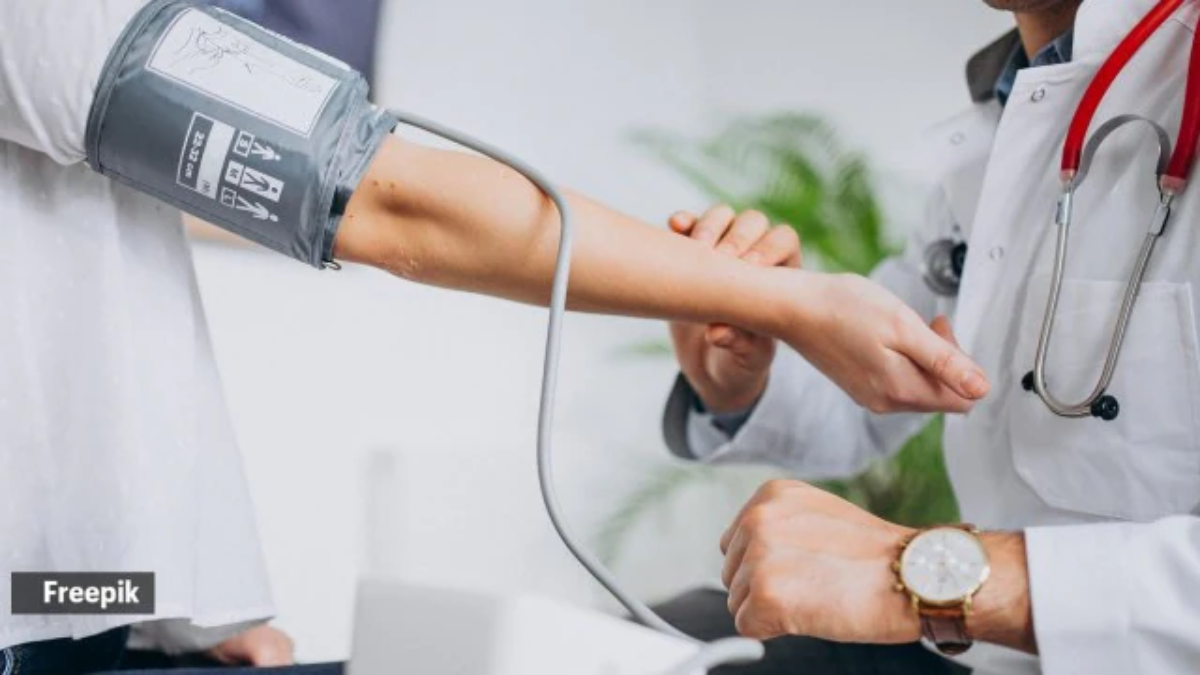
A 54-year-old individual with a blood pressure reading of 150/90 is already in the stage 2 hypertension category, experts warn. This means the heart and arteries are under constant pressure, quietly increasing the risk of heart disease, kidney failure, and stroke. In this latest health news update, doctors explain why this level is not to be ignored and how timely lifestyle and medical care can prevent long-term damage.
Understanding What 150/90 Really Means
Blood pressure measures how forcefully blood pushes against artery walls. The first number (systolic) shows the pressure when the heart beats, and the second number (diastolic) shows it when the heart rests between beats.
A healthy adult should have a reading around 120/80 mmHg. Once it crosses 140/90 mmHg, it moves into stage 2 hypertension, a level that requires medical attention rather than casual observation.
Health experts say that even if a person feels “normal,” a 150/90 reading is far from safe. It reflects that the blood vessels are consistently working under strain, which, over time, thickens and stiffens arterial walls — paving the way for heart disease and other complications.
Why This Matters More at Age 54
As people cross 50, arteries lose flexibility, making it easier for pressure to rise. The heart must work harder to pump blood, especially if the person has excess body weight, a sedentary lifestyle, or an unbalanced diet.
Doctors caution that at this stage, hypertension often coexists with cholesterol imbalance or insulin resistance, further worsening cardiac risk.
In such cases, 150/90 is not a minor fluctuation — it’s a warning sign. Continuous high readings can silently damage blood vessels in the brain, kidneys, and eyes. Without symptoms, the person may feel fine, yet internal damage continues daily.
Stage 2 Hypertension: The Hidden Stage of Risk
Stage 2 hypertension refers to blood pressure readings that stay at or above 140/90 mmHg over repeated tests. At this level, the risk of organ damage grows sharply.
According to cardiologists, the term “stage 2” doesn’t just mark a higher number — it indicates that lifestyle changes alone may no longer be enough. Most people in this stage require medication along with medical monitoring.
Doctors often recommend a few weeks of consistent home monitoring to confirm sustained high readings. If the average stays around 150/90 or higher, medication is typically initiated to prevent stroke or heart attack.
How High Blood Pressure Affects the Heart and Body
The effect of high blood pressure extends beyond the heart. Over time, the force of circulating blood can cause small tears in arteries, allowing cholesterol to build up and form plaques. This leads to narrowed arteries — a major cause of heart disease.
Uncontrolled hypertension can also cause:
-
Stroke – when high pressure weakens brain arteries.
-
Heart failure – as the heart muscle thickens and weakens.
-
Kidney damage – since kidneys rely on steady blood flow.
-
Vision loss – due to blood vessel damage in the eyes.
The danger lies in its quiet nature — many people with stage 2 hypertension have no visible symptoms until serious complications appear.
What Experts Recommend: Managing 150/90 Safely
Health experts emphasize that blood pressure management is not only about tablets but also consistent daily choices. Here are the steps widely advised by cardiologists and health specialists:
-
Lower Salt Intake: Excess sodium causes fluid retention, raising blood pressure quickly. Switching to low-sodium salt or fresh herbs can make a visible difference.
-
Stay Physically Active: At least 30 minutes of brisk walking or cycling daily can reduce pressure and improve heart function.
-
Maintain Healthy Weight: Even a small weight loss of 4–5 kg can bring noticeable improvement in blood pressure control.
-
Reduce Stress: Breathing exercises, meditation, and short breaks during work reduce stress-induced pressure spikes.
-
Limit Alcohol and Caffeine: Both can cause temporary but dangerous surges in blood pressure.
Along with lifestyle correction, doctors stress the importance of regular monitoring — both at home and during medical visits — to track improvements or worsening trends.
When Medication Becomes Essential
If lifestyle changes fail to control blood pressure, doctors often start antihypertensive medicines such as ACE inhibitors, beta-blockers, or calcium channel blockers.
The goal is not just to lower numbers but to protect vital organs from long-term harm. For individuals aged 54 and above, medicines are usually combined with diet and activity plans to prevent rebound spikes.
Experts caution against self-medication or suddenly stopping prescribed pills, which can cause dangerous fluctuations. The correct approach is steady, monitored treatment under professional care.
Prevention Is Easier Than Cure – Health News
In current health news, cardiologists continue to highlight prevention as the most powerful tool. Early detection through routine checkups, especially after 40, can catch hypertension before it becomes severe.
Simple measures — like reducing processed food, sleeping 7–8 hours, and staying hydrated — play a huge role in maintaining normal pressure.
If a person’s readings are around 150/90, doctors suggest confirming them over several days, then immediately seeking medical guidance. Ignoring these signs is what leads to irreversible heart or kidney damage.
A 150/90 blood pressure reading at age 54 is a sign of stage 2 hypertension — not a mild variation but a medical alert. It means the cardiovascular system is under significant stress, and prompt action is essential to prevent heart disease, stroke, or kidney failure.
This health news serves as a reminder that even without symptoms, high blood pressure silently impacts every organ. With timely medical help, regular monitoring, and lifestyle control, it’s entirely possible to bring the numbers down and restore long-term heart health.
Catch big news and top news headlines with the latest news updates. Quirk Report delivers trusted stories from India and around the world.
Follow Quirk Report on Instagram, Twitter(X) and Facebook.