




Trending Highlight:
Limes and lemons may look similar, but they differ in colour, taste, and nutrients. Knowing the difference helps you pick the right fruit for cooking, drinks, and nutrition.
Difference Between Lime and Lemon
Limes and lemons are two of the most commonly used citrus fruits worldwide. They are often confused due to their sour taste, similar names, and roundish shape. However, despite these similarities, there are important differences between the two fruits. Knowing the difference between lime and lemon is useful for cooking, making drinks, and boosting nutrition.
Limes are generally smaller and known for their sour, acidic taste. Lemons are larger, slightly sweeter, and more versatile. Both fruits contain citric acid, giving them a tangy flavour that makes them popular in kitchens around the world. India, Mexico, and China are some of the largest producers, contributing hundreds of thousands of metric tonnes each year.
Colour
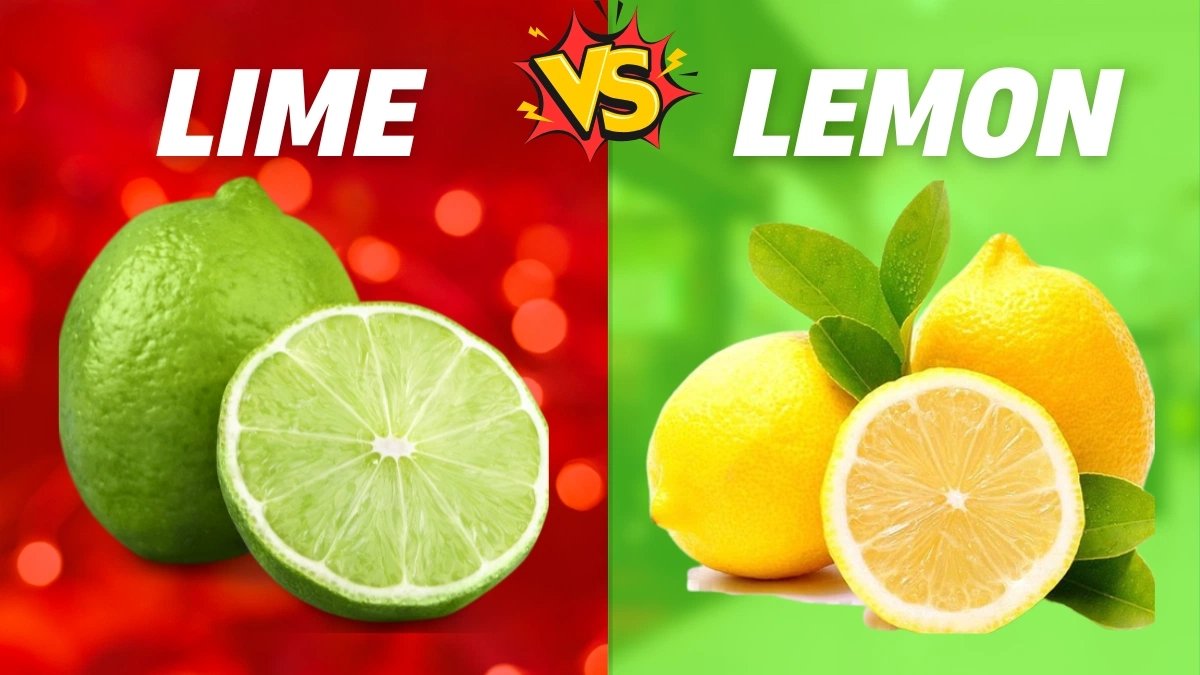
The easiest way to tell a lime from a lemon is by colour. Ripe lemons are bright yellow. Limes are typically green, even when fully ripe, although some varieties may turn yellow as they mature. Unripe lemons can also appear green, which sometimes causes confusion.
Colour is not just about appearance; it also indicates flavour. Yellow lemons tend to have a slightly sweeter taste than green limes, which are more sour. This makes colour an important first step in identifying these fruits in markets or kitchens.

Shape and Size Differences
Lemons are usually oval or oblong, while limes are smaller and more round. The size difference is also noticeable: lemons are larger and heavier, making them easier to slice for drinks and garnishes. Limes, being smaller, are often used whole in cooking or juiced for cocktails.
Shape and size affect culinary use. For instance, larger lemon slices are ideal for garnishing desserts or salads, whereas lime wedges are perfect for tacos, curries, and beverages.
Skin Thickness and Texture
Another clear distinction is skin thickness. Lemon skins are thicker and rougher, while lime skins are thin and smooth. This difference is especially important when zesting for recipes or using the fruit in drinks.
Thicker lemon skins hold more essential oils, adding strong aroma and flavour to dishes and baked goods. Lime zest is subtler but provides a sharp, tangy note that enhances savoury meals and cocktails.

Taste: Sweet vs Sour

Taste is one of the most noticeable differences. Limes are more acidic and sour, making them ideal for savoury dishes, marinades, and cocktails like guacamole or margaritas. Their tartness adds a punch of flavour that balances rich and spicy foods.
Lemons, on the other hand, are slightly sweeter and less sharp, making them versatile for both sweet and savoury recipes. From lemonade and lemon bars to salads and lemon chicken, their flavour adapts well to different dishes.
While both fruits share a sour component due to citric acid, lemons are generally more palatable in desserts and drinks where a mild tang is preferred.
Nutritional Differences- lime vs lemon
Limes and lemons are both low in calories and high in water content, making them excellent choices for hydration and healthy diets. Both are rich in vitamin C, an essential nutrient that supports immunity, skin health, and overall wellness.
However, lemons have slightly higher levels of vitamin C, potassium, folate, and vitamin B6 than limes. Limes, while slightly lower in these nutrients, still provide antioxidants and essential vitamins, supporting digestion and detoxification.
Here’s a quick comparison per 100g:
| Nutrient | Lemon | Lime |
|---|---|---|
| Calories | 29 | 30 |
| Vitamin C | 53 mg | 29 mg |
| Potassium | 138 mg | 102 mg |
| Calcium | 26 mg | 33 mg |
| Folate | 9 mcg | 5 mcg |
Both fruits contain citric acid (C6H8O7), which contributes to their sourness and offers antioxidant benefits.
Culinary Uses
Lemon Uses:
- Beverages: Lemonade, lemon tea, lemon water.
- Desserts: Lemon meringue pie, lemon tart, lemon bars.
- Savoury Dishes: Lemon chicken, pasta, and salad dressings.
Lime Uses:
- Beverages: Mojitos, margaritas, lime soda.
- Savoury Dishes: Guacamole, tacos, Thai curries.
- Marinades: Ideal for meats, seafood, and pickles.
While both can sometimes be used interchangeably, knowing the difference between lime and lemon ensures the best flavour outcome.

Health Benefits
Lemons are high in vitamin C, aiding immunity, skin health, and digestion. They also have antioxidant properties that help combat free radicals.
Limes are rich in antioxidants and have antibacterial properties. They can improve digestion, support heart health, and help detoxify the body.
Incorporating either fruit in daily diet boosts immunity and provides essential nutrients.
While limes and lemons may appear similar at first glance, they differ in colour, shape, taste, and nutritional content. Limes are smaller, green, and more acidic, whereas lemons are larger, yellow, and slightly sweeter. Both fruits are versatile, healthy, and essential in cooking and drinks.
Knowing the difference between lime and lemon allows you to choose the right fruit for your recipes, whether you are making cocktails, desserts, or savory meals. Next time you encounter these citrus fruits, identifying them will be simple and straightforward.
Catch big news and top news headlines with the latest news updates. Quirk Report delivers trusted stories from India and around the world.
Follow Quirk Report on Instagram, Twitter(X) and Facebook.