



Trending Highlight:-
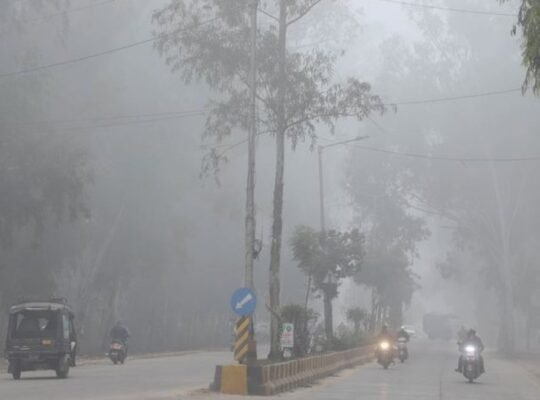
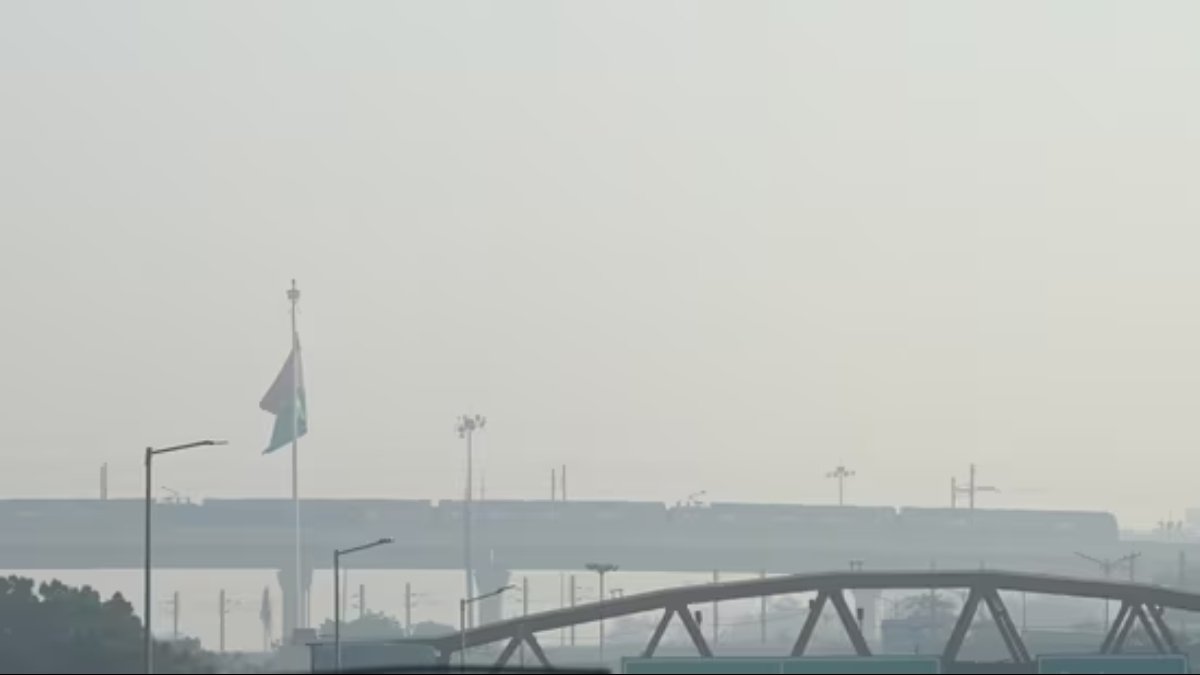
Delhi woke up to thick smog as the city’s air quality once again slipped into the “very poor” category. The Central Pollution Control Board (CPCB) reported a sharp rise in pollution levels across major parts of the capital.
Delhi AQI Enters Very Poor Category
The Delhi AQI has crossed 300, marking another day of unhealthy air. As per CPCB data, the overall air quality in the national capital stood at 309 on Friday morning, falling under the “very poor” category.
Officials said the rise in pollution was caused by calm winds, low temperatures, and emissions from local sources. With winter settling in, the smog layer has become denser, reducing visibility and making the air unsafe for sensitive groups.
Areas With the Worst Pollution
CPCB monitoring stations across Delhi recorded worrying figures. Most locations reported AQI levels between 280 and 350, while some areas touched the “severe” range above 400.
The highest readings were observed in parts of North and East Delhi. Industrial zones such as Bawana and residential areas like Anand Vihar and Vivek Vihar showed persistent poor air quality. Central Delhi, including Chandni Chowk and Daryaganj, also reported unsafe levels.
Neighbouring cities in the National Capital Region faced similar conditions. Noida, Gurugram, and Ghaziabad recorded AQI readings ranging from 320 to 360, placing them in the same “very poor” category as Delhi.
Why Delhi Pollution Is Getting Worse
Experts from CPCB and the India Meteorological Department (IMD) have linked the current spike in Delhi pollution to a mix of factors. Vehicle emissions, industrial activities, and dust from construction continue to add pollutants to the air.
During this period, cooler air near the surface traps pollutants and prevents them from dispersing — a weather condition known as temperature inversion. Smoke from crop residue burning in nearby states also contributes to the haze that settles over Delhi every November.
Environmental analysts point out that while stubble burning plays a role, the city’s own emission sources remain the dominant cause. They stress that improving public transport and enforcing construction norms are essential to lower Delhi AQI levels in the long term.
Also Read | ‘Eye-Opening’: Clear Difference In Air Quality Seen In Viral Video From Delhi
Health Concerns and Safety Advice
Doctors warn that the current air quality can trigger breathing problems, especially among children, elderly citizens, and those with asthma or heart conditions. Even healthy individuals may experience coughing, sore throat, and irritation in the eyes.
When AQI Delhi today crosses 300, medical experts recommend limiting outdoor exposure. People are advised to:
- Avoid outdoor exercise in the early morning and late evening
- Wear N95 or equivalent masks when stepping outside
- Keep doors and windows closed during peak smog hours
- Use air purifiers indoors if available
Public health specialists have also suggested schools should reduce outdoor activities until the air quality improves.
Steps Taken by the Government
Authorities in Delhi have implemented Stage III of the Graded Response Action Plan (GRAP) as a preventive step. This includes restrictions on construction work, deployment of water sprinklers, and bans on older diesel vehicles.
Municipal teams are also spraying water on roads and using mechanical sweepers to reduce dust. The Delhi government has urged citizens to use public transport and avoid unnecessary car travel to control emissions.
Environmental groups, however, believe that these are short-term measures. For sustainable improvement, Delhi needs stricter control on industrial emissions, expansion of metro and electric buses, and regional coordination to curb stubble burning.
Forecast for the Coming Days
The IMD has predicted little relief over the next few days as wind speeds are expected to remain low. Weather conditions will likely keep pollutants trapped near the ground, maintaining Delhi AQI in the “very poor” range.
Authorities have said that conditions may improve slightly after light rainfall or when wind speeds pick up. Until then, residents are advised to follow safety precautions and track real-time updates from CPCB and the Delhi Pollution Control Committee (DPCC) websites.
The situation once again highlights the urgent need for collective action — cleaner fuels, greener transport, and strict pollution control. Without long-term solutions, Delhi’s winter will continue to be defined by smog-filled skies.
Catch big news and top news headlines with the latest news updates. Quirk Report delivers trusted stories from India and around the world.
Follow Quirk Report on Instagram, Twitter(X) and Facebook.