



Trending Highlight:
Delhi air pollution has reached severe levels once more, leaving residents struggling to breathe clean air. The Delhi AQI today crossed the dangerous mark, showing how serious the capital’s pollution problem has become.
A City Wrapped in Smog
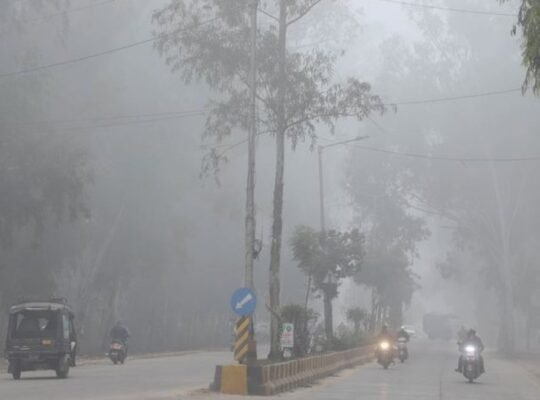
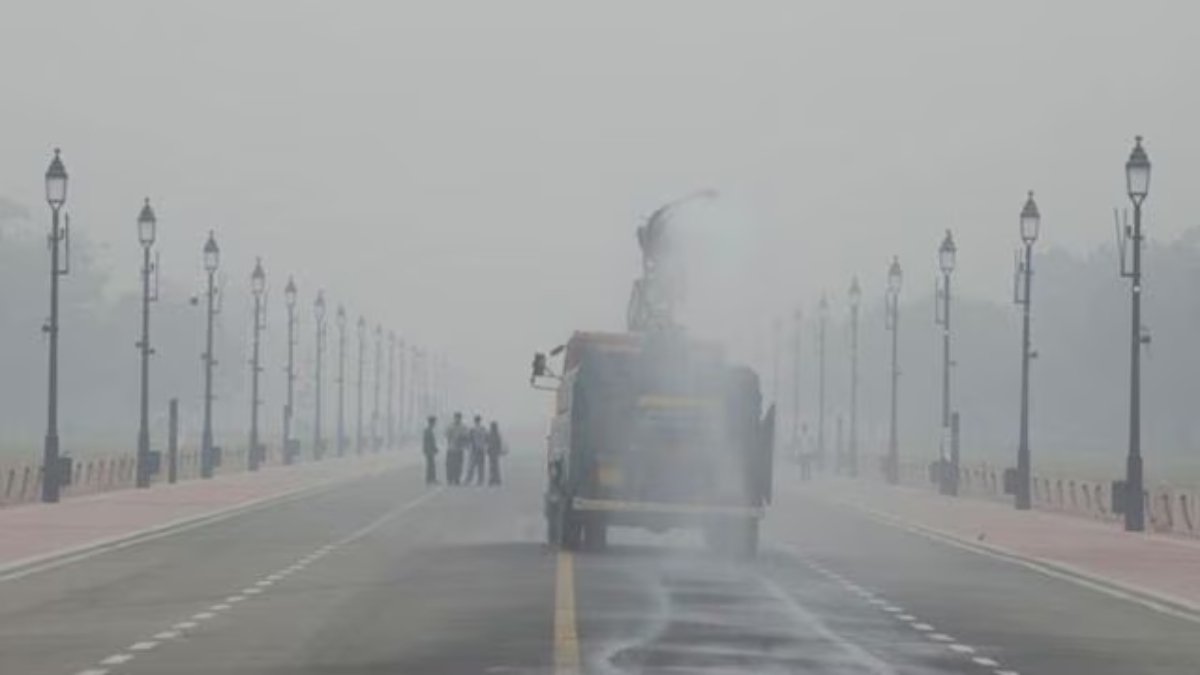
Every winter, Delhi faces the same question — why does the air turn so toxic that people can barely see the sky? The latest Delhi news on air quality paints a worrying picture. Thick smog now covers roads, homes, and buildings, forcing schools to close and health officials to issue emergency alerts across the city.
The current Delhi AQI levels have climbed above 450 in several regions, putting them in the “severe” category. This means the air is unsafe for everyone — not just for those with existing health problems. For people suffering from asthma, heart disease, or weak immunity, the conditions can be life-threatening.
This sudden spike in Delhi air pollution is part of a yearly cycle. After Diwali, the combination of smoke from firecrackers, vehicle emissions, and stubble burning from nearby states such as Punjab and Haryana pushes the city’s air quality into dangerous zones. The calm winter air traps these pollutants close to the ground, forming a thick grey haze that refuses to lift.
Experts have warned that if this continues, Delhi could see a sharp rise in respiratory illnesses. Hospitals are already reporting an increase in cases of breathing difficulties among children and the elderly. Many doctors are advising people to stay indoors as much as possible and to use N95 masks when stepping outside.
Breathing Becomes a Battle
For most residents, daily life in the capital now begins with checking the Delhi AQI today before heading outdoors. Masks, air purifiers, and indoor plants have become part of daily survival, not lifestyle accessories. Even routine outdoor activities — morning walks, school commutes, and office travel — now feel like a health risk.
Public health experts say that long-term exposure to poor air quality can permanently damage the lungs and heart. Even short-term exposure causes coughing, eye irritation, and fatigue. Doctors have warned that children, the elderly, and those with pre-existing conditions are most at risk.
Many offices have switched back to remote work, and schools across parts of Delhi and NCR are adopting hybrid classes to protect students. These measures, though temporary, show how deeply pollution has changed the city’s routine.
To tackle the rising Delhi air pollution, the government has reintroduced measures such as the odd-even traffic rule, construction bans, and road dust control. However, experts remain unsure about their lasting impact. These emergency actions may temporarily reduce pollution levels but rarely address the deeper causes.
Environmentalists argue that without strict and continuous enforcement, such policies become short-term solutions that fade with the season. As a result, every year the same story repeats — Delhi’s air gets better for a few days, then turns toxic again.
Also Read | Delhi’s ₹1.9 Crore Cloud Seeding Plan Falls Flat – Latest Updates
When Will the Air Clear?
Environmental experts believe that the fight against Delhi air pollution needs consistent, long-term planning. They stress that cleaner fuels, better waste management, and strict control on stubble burning are essential if the capital wants lasting change.
The Centre and Delhi government have expanded air quality monitoring systems across the region. These stations track the Delhi AQI daily, helping officials identify pollution hotspots. However, data alone cannot solve the crisis. Experts say what’s missing is strict implementation, cleaner infrastructure, and stronger public cooperation.
Citizens are also being urged to help reduce emissions by using public transport, avoiding waste burning, and adopting cleaner energy options. Environmental NGOs have suggested that Delhi should increase green zones and improve last-mile connectivity to reduce vehicle dependence.
While government action is necessary, individual responsibility also plays a big role. Every car trip avoided, every tree planted, and every energy-efficient choice made contributes to cleaner air.
Still, the larger question remains: how long can a city of over 30 million people continue to live under a toxic cloud?
Hope in the Haze
Despite the grim headlines, there are signs of awareness and action. More people are now openly discussing air quality and climate responsibility. School students and youth groups across Delhi have launched local campaigns promoting cleaner commuting options like cycling and electric scooters.
Electric vehicles are gaining popularity, and the government has announced incentives for their use to reduce traffic emissions. Public transport improvements, such as more CNG buses and metro line expansions, also signal positive steps.
Health experts continue to remind citizens that clean air is not a privilege — it is a basic human right. The fight against Delhi air pollution is not only about today’s Delhi AQI or this winter’s smog; it is about protecting the next generation from growing up in an environment where every breath feels heavy.
If Delhi wants to see clear skies again, the answer lies in collective effort — stronger policy, cleaner habits, and sustained awareness. As one pulmonologist recently said, “If you can leave the city for a few weeks, do it — but remember, escaping isn’t the solution. Fixing it is.”
Delhi’s future depends on how seriously both citizens and authorities act today. Clean air cannot wait for the next winter crisis. The time to fight Delhi air pollution is now — before breathing itself becomes the city’s hardest task.
Catch big news and top news headlines with the latest news updates. Quirk Report delivers trusted stories from India and around the world.
Follow Quirk Report on Instagram, Twitter(X) and Facebook.