



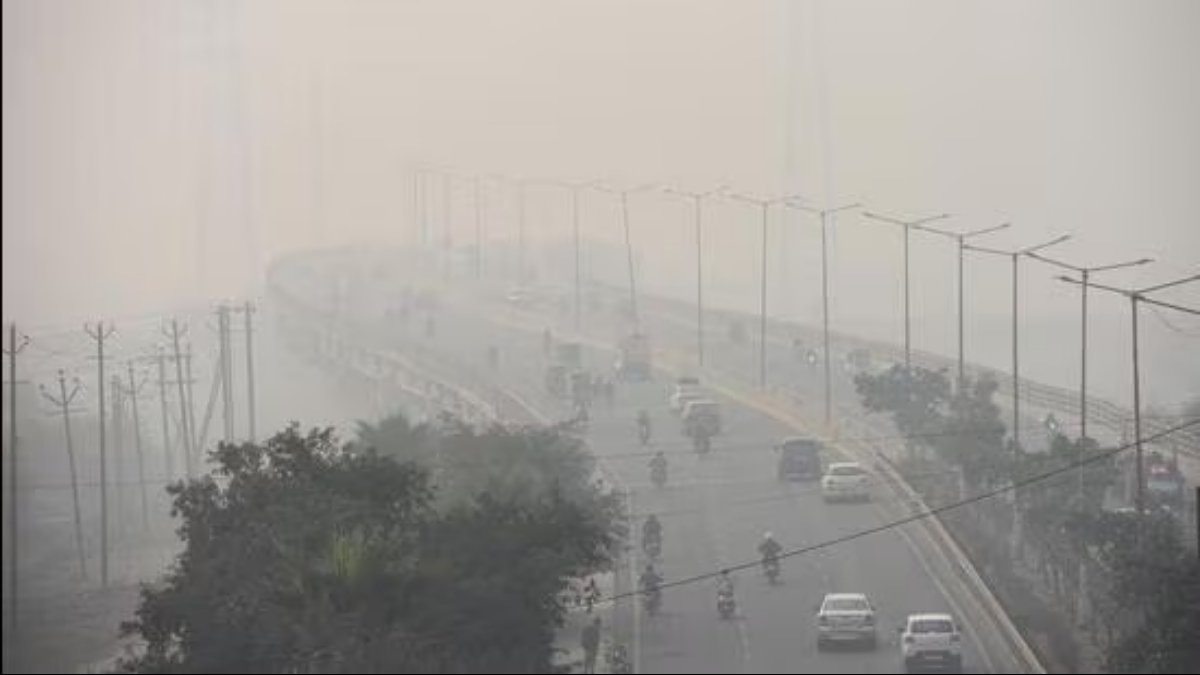
The Municipal Corporation of Delhi has left nearly ₹28 crore of air pollution control funds unspent during the last two financial years, an RTI response revealed on Thursday. The unutilized funds were allocated under the National Clean Air Programme to reduce Delhi’s persistent air pollution.
This underutilization has raised concerns over the effectiveness of the city’s air quality initiatives and the implementation of the National Clean Air Programme. Experts and citizens have questioned why substantial funds meant to curb air pollution remain idle while Delhi continues to experience hazardous air quality levels.
Large Portion of Funds Remains Unspent
Sources familiar with the matter told this news source that for the fiscal year 2022‑23, the MCD had an allocation of ₹26.6 crore for air pollution control projects, but only ₹1.34 crore was spent. The remaining ₹25.26 crore went unused. In the following year, 2023‑24, out of an allocation of ₹8.93 crore, the MCD spent ₹3.74 crore, leaving ₹5.19 crore unutilized.
The funds were intended for a range of initiatives under the National Clean Air Programme, including installation of air quality monitoring equipment, pollution mitigation technologies, and public awareness campaigns. The RTI response highlighted that delays and poor administrative coordination contributed to the underutilization.
Central Pollution Control Board Flags Implementation Gaps
The Central Pollution Control Board (CPCB) has consistently monitored Delhi’s air pollution control efforts. In its inspection reports, the board noted the lack of regular committee meetings and delayed submission of progress reports by the MCD. Officials emphasized that such administrative lapses directly impact the city’s capacity to effectively deploy air pollution control funds.
An official from the CPCB said, “Proper and timely utilization of the allocated funds is critical to achieving the targets set under the National Clean Air Programme. Any delays reduce the effectiveness of pollution control measures in the city.”
National Clean Air Programme Goals at Risk
The National Clean Air Programme, launched in 2019, aims to reduce particulate matter levels in Indian cities by 20‑30% by 2026. Delhi, which consistently records some of the highest air pollution levels in the country, is a primary focus of the programme.
Experts warn that unspent funds and implementation gaps could delay or undermine the programme’s objectives. “Allocating funds is only the first step. Without proper execution, Delhi will continue to face severe air pollution, affecting public health and economic activity,” said a senior environmental consultant familiar with NCAP projects.
The RTI data also indicated that many projects planned under the programme remain incomplete due to lack of approvals and procurement delays. Citizens and environmental groups have called for stronger oversight and accountability from municipal authorities to ensure effective use of air pollution control funds.
Accountability and Oversight Challenges
The MCD, responsible for urban infrastructure and environmental management, has faced criticism for its handling of multiple public schemes in the past. According to official records, coordination between various departments and adherence to reporting timelines remain major obstacles.
Officials noted that funds could be released and utilized more efficiently if the MCD strengthened internal monitoring mechanisms and regularly updated the Central Pollution Control Board on project progress.
With Delhi’s air quality continuing to deteriorate during winter months, the unused ₹28 crore represents a missed opportunity for immediate and measurable improvements. Environmentalists argue that timely fund utilization could support the deployment of air quality monitoring systems, pollution reduction measures, and public awareness campaigns that directly benefit residents.
Public Response and Next Steps
The revelation of unspent air pollution control funds has sparked calls for greater transparency and stricter enforcement of project timelines. Civic groups are urging the MCD to release detailed reports on pending projects and to accelerate the implementation of initiatives under the National Clean Air Programme.
The CPCB has recommended that municipal authorities establish dedicated teams to track fund usage and ensure that future allocations are fully utilized. Authorities have yet to issue an official statement in response to the RTI disclosure, but observers expect follow-up actions in the coming weeks to improve accountability and project completion.
Delhi’s persistent air pollution remains a significant health hazard, and the effective use of air pollution control funds is crucial for mitigating risk. The RTI findings underscore the need for administrative efficiency, stronger monitoring, and prompt action to ensure that allocated resources contribute meaningfully to cleaner air for the city’s residents.
Catch big news and top news headlines with the latest news updates. Quirk Report delivers trusted stories from India and around the world.
Follow Quirk Report on Instagram, Twitter(X) and Facebook.